
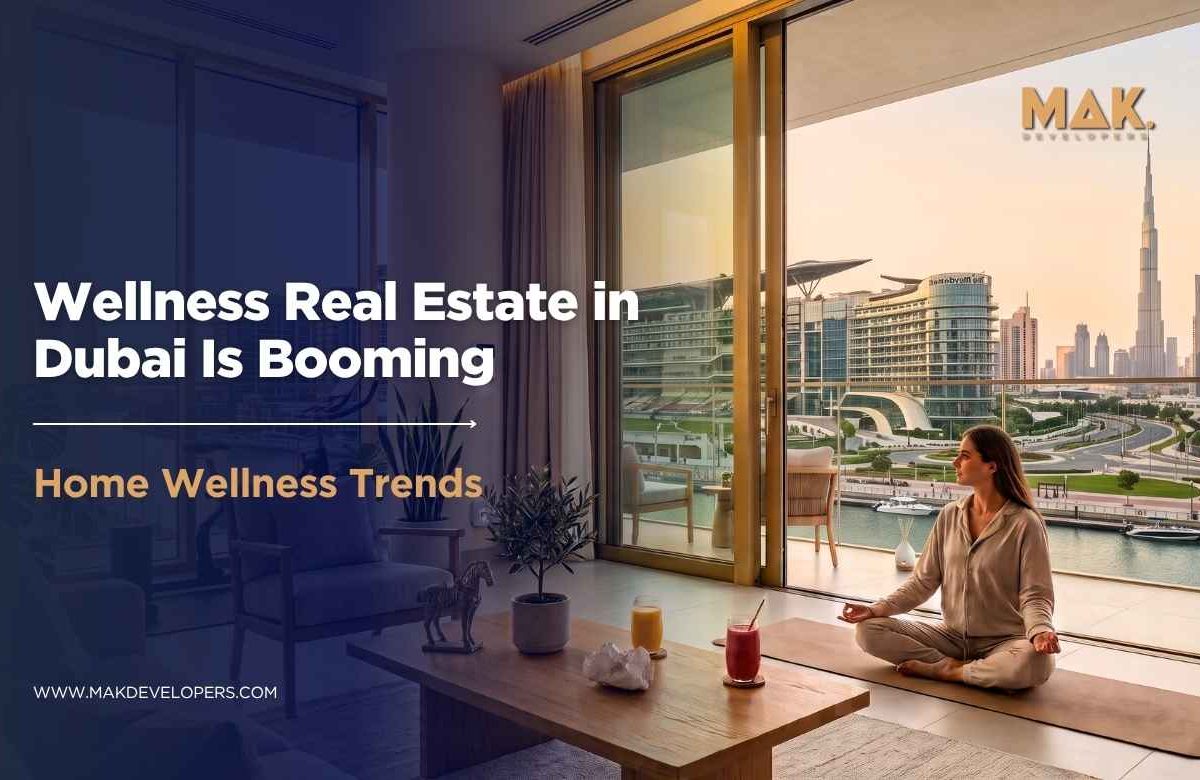
Home Wellness Trends: Why Wellness Real Estate in Dubai Is Redefining 2026
Buyers in Dubai used to ask about the view first. Now they ask about the air filtration system, the walking trails, and whether the gym has a recovery room. Wellness real estate in Dubai has moved from a nice-to-have to a core reason people choose one development over another.
The shift shows up in the numbers too. Dubai’s property market closed 2025 with over 270,000 transactions worth AED 917 billion, a 20% jump year on year. Within that record year, districts built around green space, low-density layouts, and wellness amenities pulled a disproportionate share of high-value deals. If you’re buying a home or evaluating an investment in 2026, understanding this trend isn’t optional anymore.
Why Wellness Real Estate in Dubai Is Booming in 2026
Global wellness spending has reshaped how developers design buildings. The Global Wellness Institute reports the global wellness real estate market grew from $151 billion in 2017 to $876 billion in 2025, an average annual growth rate of 23.6%, roughly double the pace of the next-fastest wellness category. That momentum has landed firmly in Dubai.
Three forces are driving it here specifically:
- Post-pandemic buyer psychology. Homebuyers now weigh air quality, natural light, and access to green space as seriously as square footage.
- A maturing investor base. With over 193,000 active investors in the Dubai market in 2025, buyers are more informed and more selective about long-term livability, not just yield.
- Developer differentiation. In a market with hundreds of active projects, wellness amenities have become one of the clearest ways for a development to stand out.
You’ll see this pattern repeat across almost every new launch: less emphasis on marble lobbies, more emphasis on how the building makes residents feel day to day.
What Actually Makes a Home “Wellness-Focused”
The term gets used loosely, so it helps to know what it actually covers. A genuine wellness home in Dubai typically addresses four things: air, light, movement, and mind.
Biophilic design is the foundation. This means real greenery worked into the architecture, not just a planted courtyard at the entrance, along with materials and layouts that connect residents to natural light and outdoor views throughout the day. Air and water quality systems come next: advanced filtration, humidity control, and in some buildings, dedicated water purification for every unit.
Circadian and adaptive lighting is newer but growing fast. These systems shift color temperature through the day to support natural sleep cycles, something you’ll increasingly find paired with smart home platforms rather than sold as a standalone feature. Finally, there’s the amenity layer: fitness studios, recovery spaces, and quiet zones designed around actual use, not just brochure photography.
Dubai’s Leading Wellness Communities
A handful of districts have become synonymous with this trend, and they’re worth knowing if you’re comparing locations.
- Dubai Hills Estate – built around a golf course and extensive parkland, with a layout that prioritizes walkability.
- Mohammed Bin Rashid City (MBR City) – large green corridors and low-density residential pockets close to Downtown.
- Meydan – open space, equestrian heritage, and newer wellness-oriented launches.
- Palm Jumeirah – beachfront access paired with a growing number of spa-anchored residences.
- Emirates Hills – established villa community with mature landscaping and privacy as a wellness feature in itself.
- Nad Al Sheba 1 – a newer entrant drawing attention for combining low-density planning with boutique, amenity-rich developments.
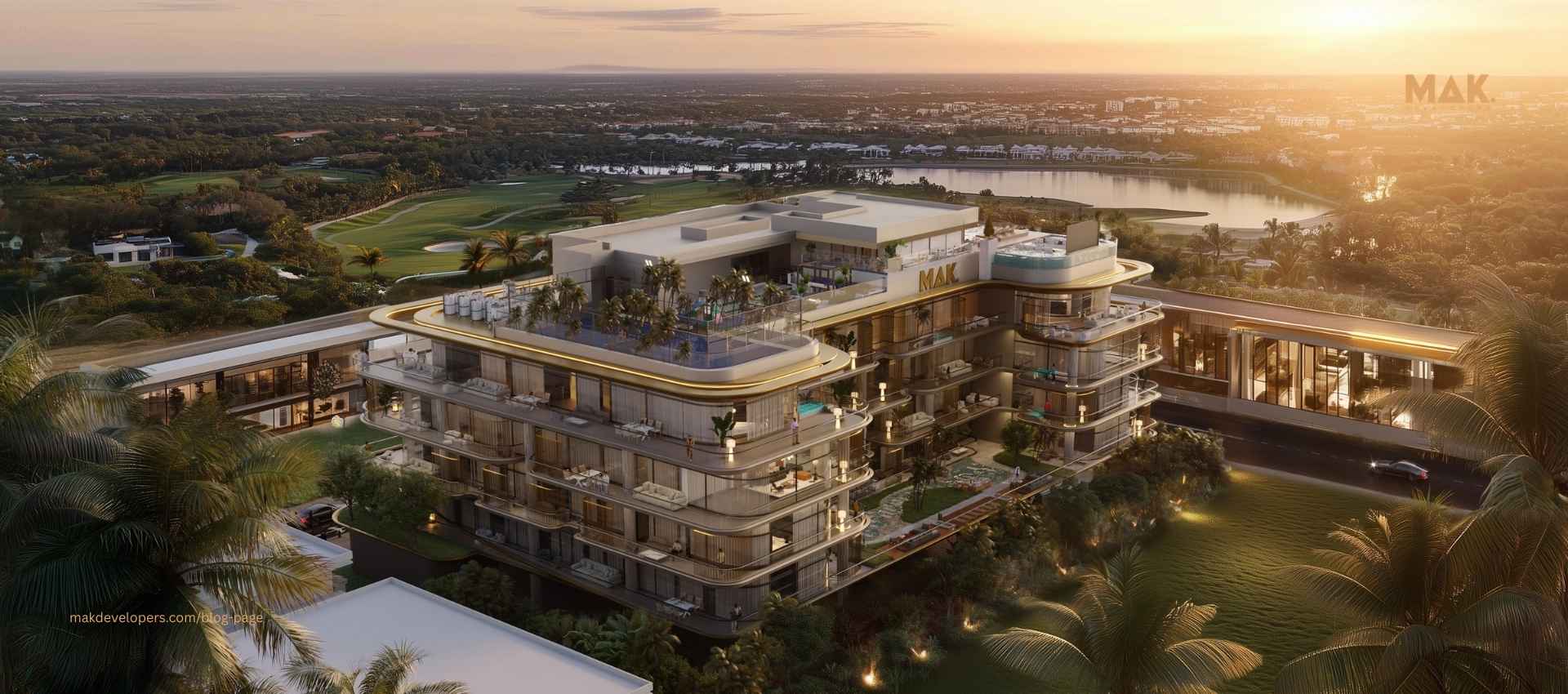
Nad Al Sheba 1 in particular has become a case study in this shift. It sits minutes from Downtown Dubai and Meydan Racecourse, but its planning favors quiet, greenery, and space over density. Saddlewood Park by MAK Developers reflects that direction directly: the boutique, 61-home community was designed around wellness-first living, with more than 25 wellness-inspired amenities woven into a low-rise layout rather than added as an afterthought.
Wellness Amenities Buyers Actually Want in 2026
Not every “wellness amenity” carries the same weight with buyers. Some are becoming close to standard expectations; others are still genuine differentiators. The table below breaks down what’s showing up across current Dubai developments and why it matters to a buyer or investor.
| Amenity Category | What It Includes | Example in Current Dubai Developments | Why It Matters to Buyers |
| Air & water quality | Advanced filtration, humidity control, unit-level water purification | Increasingly standard in premium low-rise builds | Directly affects daily health and long-term livability |
| Biophilic & green design | Landscaped courtyards, rooftop gardens, unobstructed green views | Zen gardens and landscaped dual-aspect views at Saddlewood Park | Reduces stress, supports resale appeal |
| Fitness & recovery | AI-guided gyms, pilates studios, padel courts, ice-and-fire recovery rooms | AI-powered gym and ice and fire retreat at Saddlewood Park | Replaces the need for external gym memberships |
| Mental wellness spaces | Yoga decks, meditation gardens, quiet lounges | Zen garden and yoga deck concepts in Nad Al Sheba 1 projects | Growing priority for buyers prioritizing work-life balance |
| Smart comfort tech | Adaptive lighting, personalized scent systems, automated entry | AI-powered comfort features in Nad Al Sheba 1 developments | Convenience layered onto wellness, not a replacement for it |
Figures and examples above are illustrative, based on publicly listed project amenities as of mid-2026.
The Investment Case: Does Wellness Real Estate in Dubai Pay Off?
For investors, the question isn’t just whether wellness features are pleasant. It’s whether they hold or grow value. Early data suggests they do. Wellness-focused properties in Dubai are commanding price premiums of roughly 10% to 25% over comparable standard developments, and some market data suggests wellness features can drive value appreciation at close to twice the pace of standard properties.
That pattern lines up with what’s happening at the top end of the market too. Districts combining green space, low density, and wellness amenities are pulling a disproportionate share of Dubai’s highest-value transactions, the kind above AED 10 million, according to recent market coverage. That’s a strong signal that wellness isn’t a marketing angle; it’s becoming a genuine pricing factor.
For anyone weighing new launches against resale stock, this is worth factoring into due diligence:
- Ask whether wellness features are structural (air systems, layout, materials) or purely cosmetic (a branded gym sign).
- Compare the development’s amenity list against actual usage data or occupancy rates where available, not just the sales brochure.
- Check whether the developer has delivered similar wellness-branded projects before, or if this is their first attempt.
If you’re exploring off-plan opportunities in this segment, it’s worth browsing MAK Developers’ current projects to see how wellness features are being built into unit design from the ground up, rather than retrofitted later.
How to Choose a Wellness Home in Dubai: A Practical Checklist
Use this sequence when you’re comparing wellness-branded developments side by side.
- Define your priorities first. Air quality and quiet matter more to some buyers than a padel court. Rank what you actually need before you tour anything.
- Read the amenity list, not just the render. Ask the sales team which amenities are confirmed and operational at handover versus planned for a later phase.
- Ask about air and water systems specifically. These are the hardest features to verify visually, so get written specifications.
- Visit at different times of day. Natural light, noise levels, and shade patterns change dramatically between morning and evening.
- Weigh the wellness premium against rental yield. A 10-25% premium only makes sense if the location and amenity mix support strong long-term demand, not just a launch-week price bump.
None of this replaces standard due diligence. Confirm the project’s RERA registration and escrow details through Dubai Land Department before committing to any off-plan purchase, wellness-focused or not.
Key Takeaways
- Wellness real estate in Dubai is a measurable market shift, not a passing trend, backed by a global wellness real estate market that hit $876 billion in 2025.
- Districts like Dubai Hills Estate, MBR City, Meydan, and Nad Al Sheba 1 lead Dubai’s wellness-community landscape in 2026.
- Genuine wellness homes address air quality, natural light, movement, and mental space, not just a gym and a pool.
- Wellness-focused properties often command a 10-25% price premium and can appreciate faster than standard developments.
- Boutique, low-density communities like Saddlewood Park in Nad Al Sheba 1 show how wellness features are being designed into layouts from the start.
Always verify which amenities are confirmed at handover, and confirm RERA and escrow details before buying off-plan.
FAQ
Q1: What is wellness real estate in Dubai?
It refers to homes and communities designed around occupant health, covering air and water quality, natural light, fitness and recovery amenities, and mental wellness spaces, rather than standard luxury finishes alone.
Q2: Do wellness-focused homes in Dubai cost more?
Yes. Current market data points to a 10% to 25% price premium over comparable standard developments, with some segments appreciating faster than the broader market.
Q3: Which areas in Dubai are known for wellness communities?
Dubai Hills Estate, Mohammed Bin Rashid City, Meydan, Palm Jumeirah, Emirates Hills, and the emerging Nad Al Sheba 1 district are currently the strongest examples.
Q4: Is a wellness-focused home a good investment, not just a lifestyle choice?
It can be both. Districts combining green space and wellness amenities are capturing a growing share of Dubai’s highest-value transactions, suggesting the market is pricing wellness as a durable feature, not a trend.


