

Emerging Areas in Dubai with High Growth Potential
Dubai never stops moving. The city builds faster than most people can keep track of. In 2026, several emerging areas in Dubai real estate are catching serious attention from investors and homebuyers. These neighborhoods aren’t just growing. They’re transforming into complete communities with schools, parks, shopping, and everything families need.
Want to know where smart money is heading? This guide maps out the districts that could deliver the biggest returns over the next few years.
Why Emerging Areas in Dubai Matter Now?
Dubai’s population keeps climbing. More people need more places to live. The report shows the population in the emirate grew from 3,836,243 in November 2024 to 4.04 million in November 2025. That growth pushes developers toward fresh zones with space to build.
Infrastructure plays a huge role, too. New metro lines, highways, and community facilities turn empty land into thriving neighborhoods. When the government announces a major project, prices in nearby areas often jump within months.
The market has also shifted toward affordable luxury. Buyers want quality homes without the Marina or Downtown price tags. That’s exactly what these emerging districts deliver.
Dubai South: The Future Takes Shape
Dubai South sits next to Al Maktoum International Airport. This location alone makes it one of the most promising future areas in Dubai. The airport will eventually become the world’s largest. That means jobs, businesses, and residents will flood this zone.
The area gained 20% in value year-on-year, with prices between AED 950 and AED 1,350 by June 2025. Dubai South already has several ready communities that are popular with young people and families. Prices here run lower than in established areas. Yet the quality remains high.
Transportation connections keep improving. The Route 2020 metro extension now links Dubai South to the rest of the city via Expo City. Travel time to Downtown takes just 45 minutes. That commute works for most professionals.
Golf courses, schools, and retail centers are opening steadily. Within five years, this area could rival older neighborhoods in terms of amenities. Early investors stand to gain the most.
Nad Al Sheba 1: Central Location, Fresh Opportunities
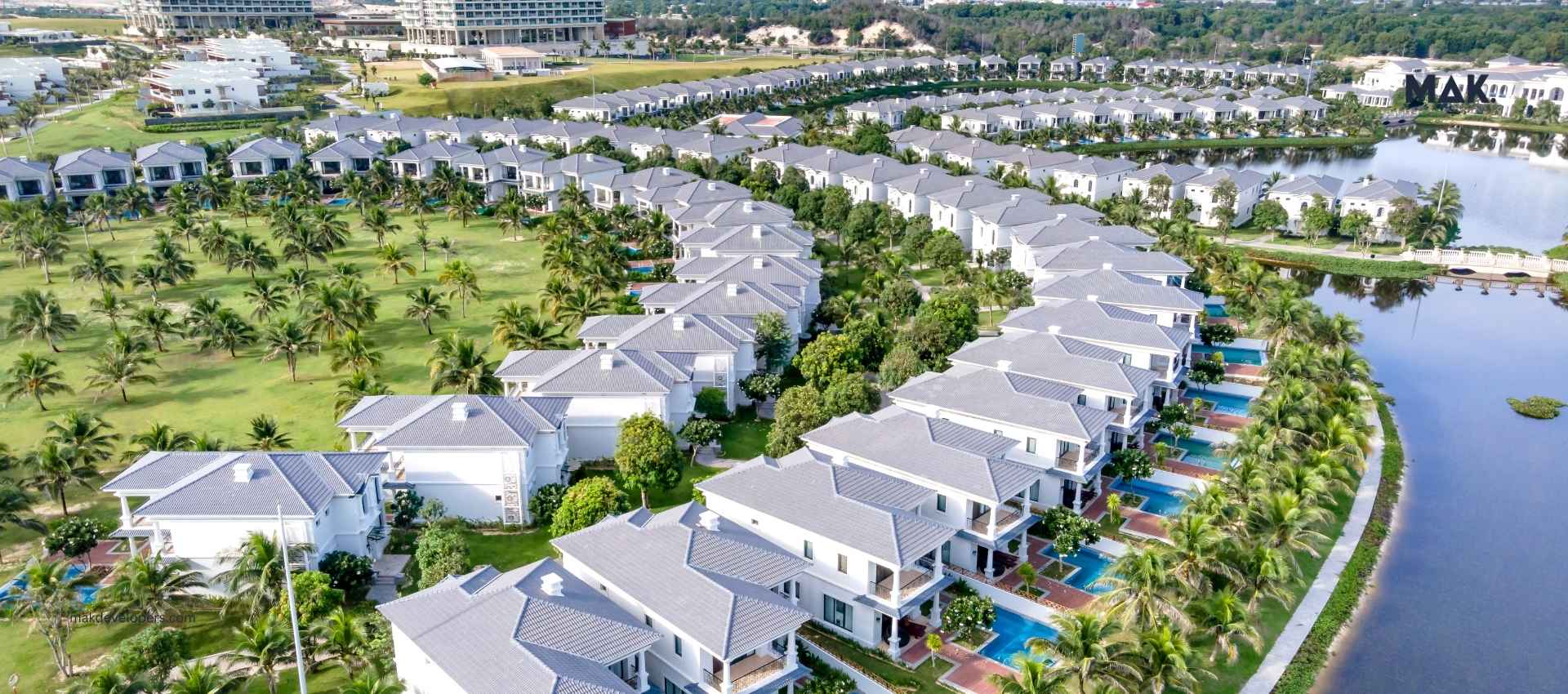
Nad Al Sheba 1 sits in a prime central location between Al Khail Road and Ras Al Khor. It is one of the emerging areas in Dubai real estate that offers swift connectivity to every major district. Downtown lies just 10 minutes away by car.
The area has seen recent activity, with MAK Developers launching a boutique development. Meydan is adding more homes, mainly townhouses and villas, with some modern apartments. This mix supports the area’s growth and variety. The Meydan Racecourse and hotel add a strong luxury feel.
Meydan City had the biggest price increase of any area. Prices went up 22% in Q3, 2025, and 29% for the whole year.
Yet, prices remain accessible given the location, unit sizes, and limited new inventory. A huge luxury one-bedroom apartment here costs less than comparable properties in Downtown or Business Bay. That value gap won’t last long as more residents discover the area.
The government has committed large funding to infrastructure improvements. New metro lines, road networks, and a canal extension are planned for the district. Schools like Hartland International School and healthcare facilities serve growing families. Retail options like Spinneys keep expanding with each passing year.
Jumeirah Golf Estates: Green Living Redefined
Jumeirah Golf Estates has evolved into a major residential destination. It is now one of Dubai’s fastest-growing areas for families. The community is set around two Greg Norman championship golf courses.
Located along Al Qudra Road near Dubai Autodrome, the community connects easily to major highways. Sheikh Zayed Road and Emirates Road both sit minutes away. Residents can reach Dubai Marina in roughly 20 minutes and Downtown in 25 minutes.
The community comprises multiple neighborhoods, including Fire, Earth, and Water. Each offers distinct architectural styles from Mediterranean to contemporary. Apartments and villas here feature generous sizes, private pools, and much more. However, apartments in the district are scarce, since the community is mostly villas.
In Q3 2025, Jumeirah Golf Estates saw robust price gains. Market data shows the average price of villas around AED 2,784 per sq.ft., roughly 48% higher than Q3 2024.
Multiple developers have already finished projects across the area, whereas the new supply is limited. Schools, supermarkets, and dining options fill the community club. The Jumeirah Golf Estates Clubhouse offers gyms, swimming pools, and social events. Together, these features give families a resort-style lifestyle every day.
Dubai Creek Harbour: Waterfront Ambitions
Dubai Creek Harbour sits across from Downtown Dubai. The area will eventually host the iconic Dubai Creek Tower. When finished, this structure will surpass the Burj Khalifa in height.
Emaar has committed large funding to this development. The area combines homes, shopping, and culture. Dubai Creek provides water views and lifestyle amenities. Many buildings are already complete and occupied.
Apartments feature modern designs and smart systems. Prices are higher than comparable areas like Dubai South. From July to September 2025, apartment prices averaged roughly AED 2,368 per square foot. This was about 13% higher than the same period in 2024.
The government designated this as one of the top upcoming Dubai communities for the next decade. Metro connectivity is coming soon. That will cut travel times and boost property values further.
What Makes These Areas Special?
Several factors unite these 2026 emerging areas in Dubai real estate districts:
- Lower entry prices that let more people enter the market.
- Modern infrastructure built to international standards.
- Strong connectivity through roads and upcoming metro lines.
- Master planning that creates complete communities.
- Government backing through major projects and initiatives.
These elements combine to create real growth potential. Not just speculation, but actual value driven by supply, demand, and development.
Smart Investment Moves
Buying in emerging areas requires some strategy. Here’s what works:
Research the developer’s track record thoroughly. Check completion timelines carefully. Off-plan purchases offer lower prices but come with waiting periods. Make sure you can manage the payment plan comfortably.
Visit the site multiple times. See what actually exists versus what’s promised. Drive around at different times of day. Check traffic patterns and noise levels.
Look at rental yields too. Some areas attract tenants better than others. Higher rental income helps offset ownership costs while waiting for capital appreciation.
The Road Ahead
Dubai’s government continues announcing ambitious projects. The Dubai 2040 Urban Master Plan outlines massive expansion. Nature reserves will double. Public beaches will increase by 400%. New urban centers will emerge across the emirate.
These emerging areas in Dubai real estate zones sit at the heart of this vision. They represent the city’s next chapter. As older districts max out their capacity, these neighborhoods will absorb future growth.
Smart investors and homebuyers see this clearly. They’re positioning themselves now before prices climb further. The window of opportunity stays open, but it won’t last forever.
Dubai has proven its ability to transform the desert into thriving communities. These emerging areas will likely follow the same path. The question isn’t if they’ll succeed, but how quickly.
Frequently Asked Questions (FAQs)
Q1: Which emerging area in Dubai offers the best value right now?
Dubai South offers an affordable entry point, with prices from AED 950 to about AED 1,300 per square foot. However, its growth outlook is long-term, as Al Maktoum Airport’s early phases are planned for the 2030s. In contrast, Nad Al Sheba 1 is just 10 minutes from Downtown and will gain an Etihad Rail station nearby this year (2026). This is set to boost the prices significantly. Furthermore, limited land and few new homes are likely to keep it in high demand.
Q2: How long should I hold property in emerging areas?
Most experts suggest a minimum two to five-year horizon. This gives infrastructure time to mature and communities to establish themselves. Historical patterns show the biggest gains come in years three through seven.
Q3: Are emerging areas safe investments compared to established neighborhoods?
Emerging areas offer higher potential returns without being too risky. In contrast, established neighborhoods provide stability but limited growth. So, diversifying your portfolio is the best way forward.
Q4: What amenities should I prioritize when choosing an emerging area?
Schools and transportation matter most for families. Investors should focus on connectivity with major employment hubs nearby. Healthcare facilities also add significant value to any community.
Q5: Can foreigners buy property in these emerging areas?
Yes, all areas mentioned above qualify as freehold zones. Foreign nationals can purchase and own property outright. No restrictions apply to residents of any nationality.
Q6: How do I verify developer claims about future projects?
Check announcements on official government websites like the Dubai Land Department. Cross-reference with reports from established research firms. Visit the RTA website for confirmed transport projects.


